A community event for Deaf First, the Deaf Social Club for Northamptonshire, was held at Sheaf Close, Northampton on Friday 8 May 2026 as one of the Province’s Community Engagement projects.
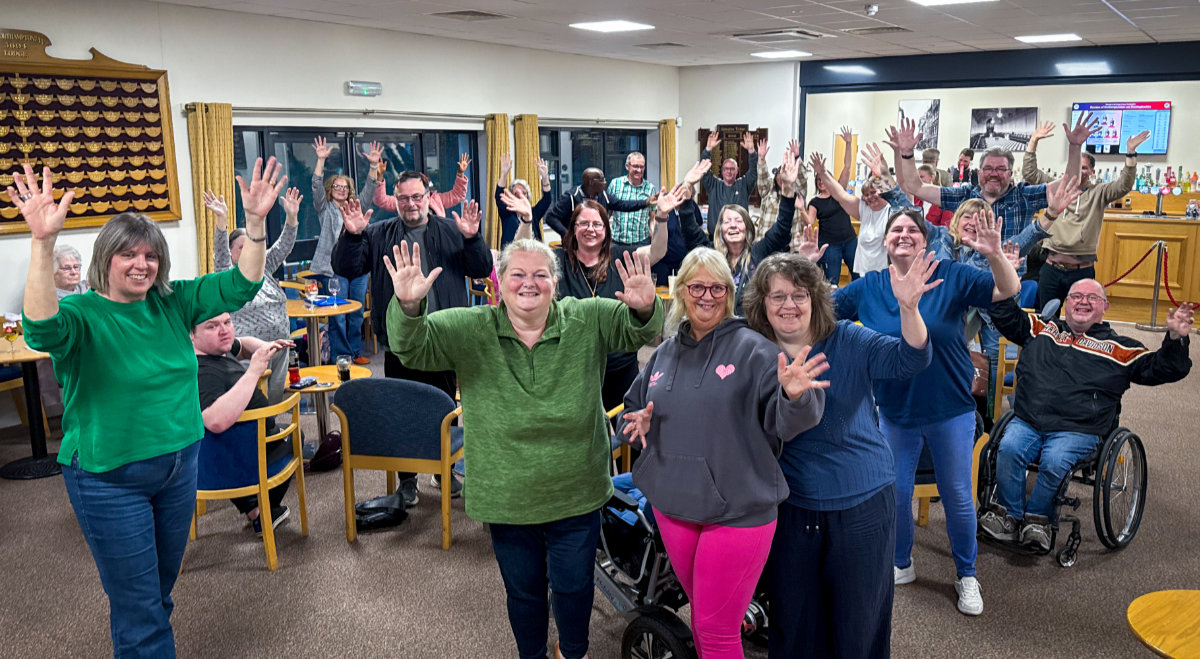
The event welcomed around 30 members of the Deaf community; with a small number of Freemasons to welcome and support them during the evening.
It brought a renewed sense of connection and hope to the local Deaf community following the recent closure of their long-standing support charity, a charity that had supported the local Deaf community for over 150 years. For many in attendance, the evening was more than just a social gathering, it marked the return of something that had slowly been lost over time.
A Return to Community
Historically, Deaf social clubs in the area were once a weekly occurrence, providing a vital space for communication, friendship and support. However, in recent years gatherings became less frequent, eventually reducing to monthly meetings, often because of associated costs and access that made them difficult to sustain. By opening its doors, Sheaf Close offered something different: a free, accessible and welcoming space where people could meet without external pressures. One attendee described the evening as “a return to something we haven’t had for years.”
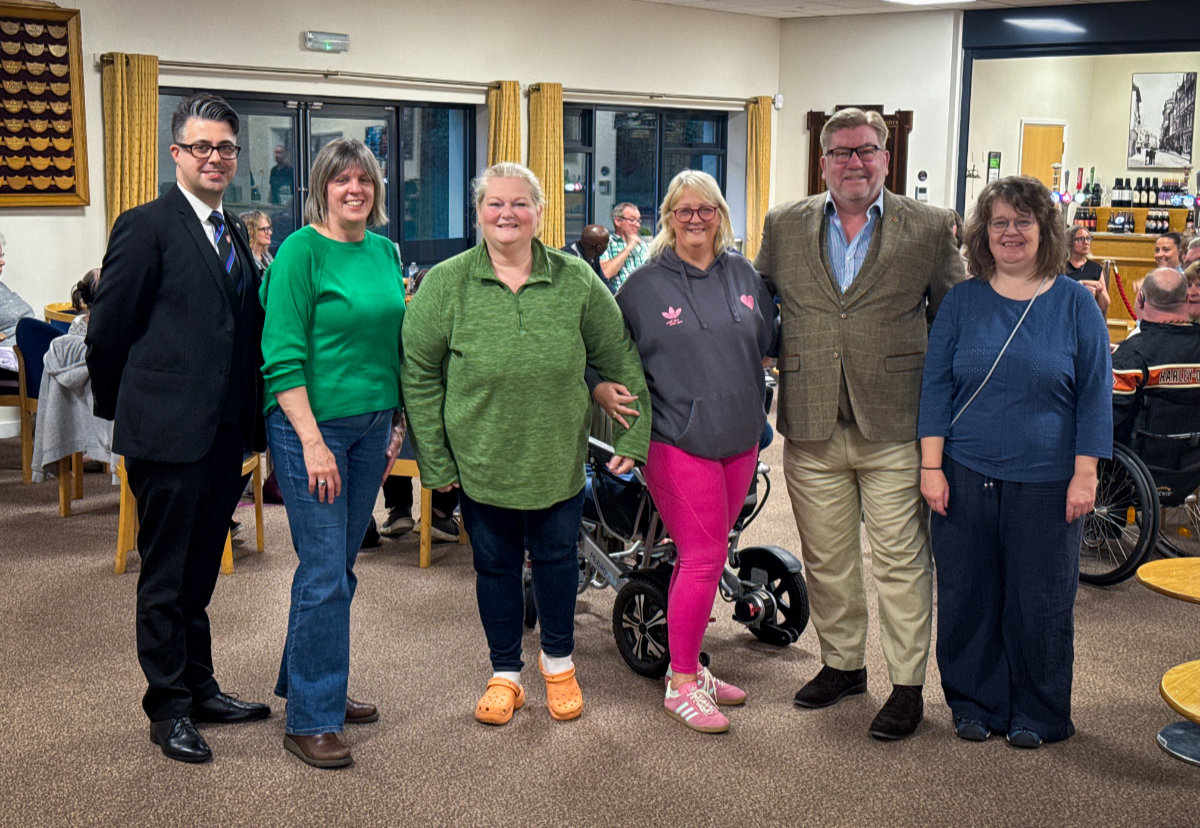
This enabled not only the continuation of the social club itself, but also the coming together of emerging support groups and Deaf business professionals, creating an opportunity to rebuild networks and share knowledge during what many have described as a challenging time.
A Space Built for Inclusion
Inside the hall, the atmosphere quickly became lively and engaging. Members of the Deaf community naturally formed a circle within the bar area, ensuring that no one was left out of conversation, while the layout of the building allowed everyone to move freely and confidently.
Above all, one feeling stood out “The only word that really describes the evening is relief, relief in being able to communicate freely, to access the building, and to sit together where no one is left out.”
For hearing attendees, the event also became an opportunity to observe and learn, as conversations in British Sign Language flowed across the room among everyone.
Building Trust and Looking Forward
The evening was attended by several Freemasons involved in Community Engagement, including: W Bro John Fergusson, Community Engagement Lead for the Province; Bro Michael Wrighton, Community Engagement Project Lead and was accompanied by a team supporting the initiative W Bro Tim Mills, W Bro Matt Sturgess, Bro Rachel Davison and Bro Latrice Grant.
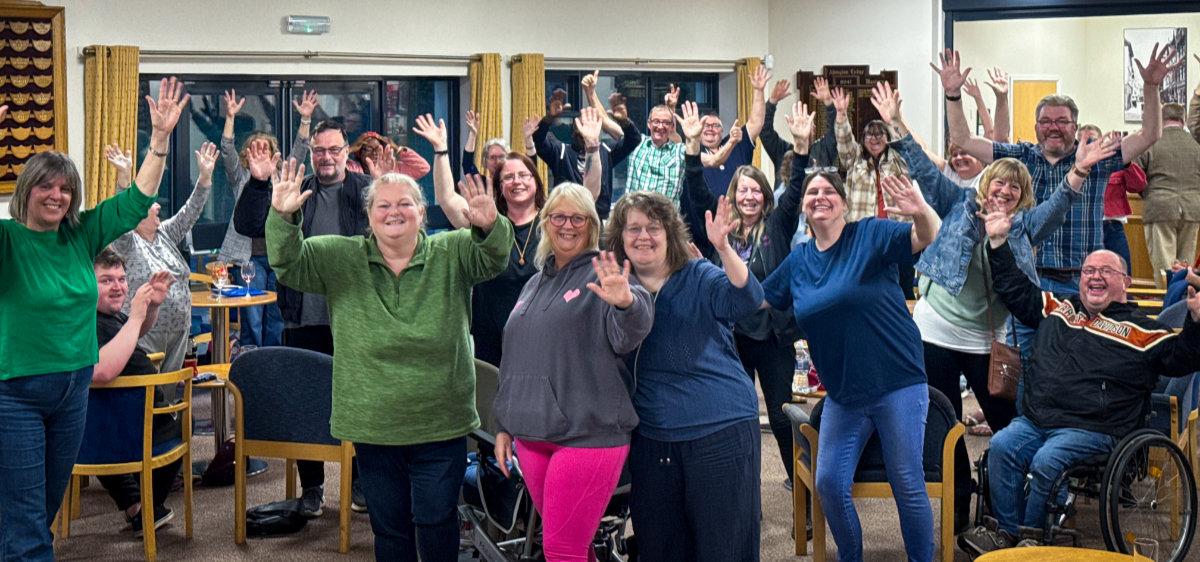
A significant moment came when the idea of recording a short video to commemorate the occasion was raised. Rather than simply agreeing, leaders within the Deaf community approached organisers directly to collaborate, a gesture that reflected a growing level of trust and confidence.
Although the closure of Deafconnect was not a central focus of discussion, its impact was clearly understood. Conversations instead focused on how the community could now come together, bringing business leaders, service users and individuals into a more unified network to preserve their shared history and identity.
Two further tester sessions are planned for June and July, where organisers will continue to assess demand and refine the format.
A formal consultation with the Deaf community is scheduled for August, ensuring that future provision is shaped directly by those it serves.
Beyond this, there are ambitions to expand the model across Northamptonshire and Huntingdonshire.
The aim is simple: to provide stability, accessibility and continuity during a time of change.
While modest in scale, the evening represented something far greater than a single event. It was a demonstration of how a community, when given space and support, can begin to reconnect and move forward even after the loss of a longstanding institution. For those who attended, it was not just about what had been lost… it was about what could come next. For the first time in a long time, the future of the community did not feel uncertain… it felt possible.